


Crunchyroll Manga
4.6553.00 Reviews
App Specs
- Version
- 1.4.1
- Updated On
- License
- Free
- Downloads
- 100,000+
- Developer
- Crunchyroll, LLC
- Categories
- Comics
- Platform
- Android
Screenshots
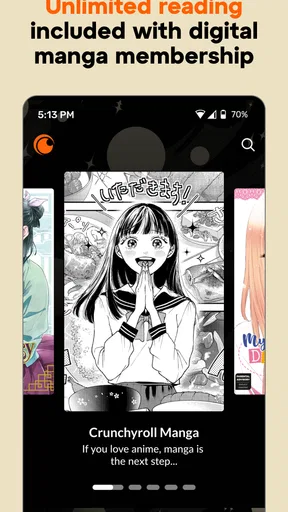
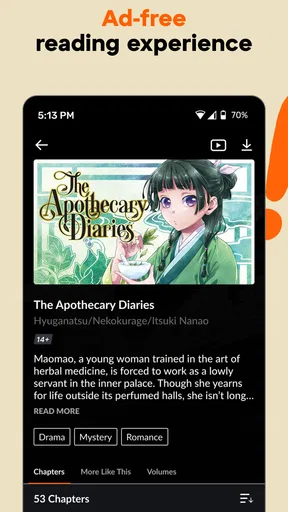
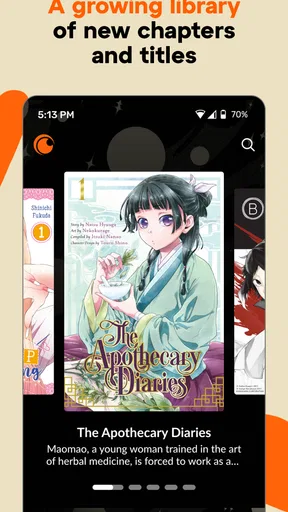
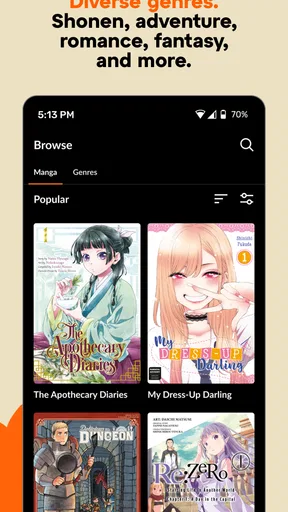
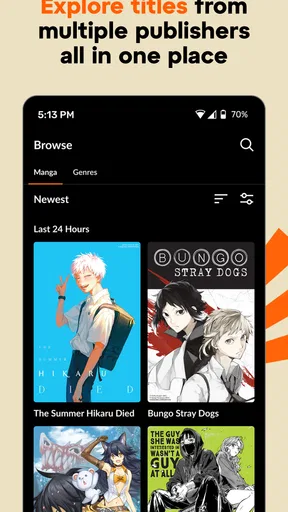
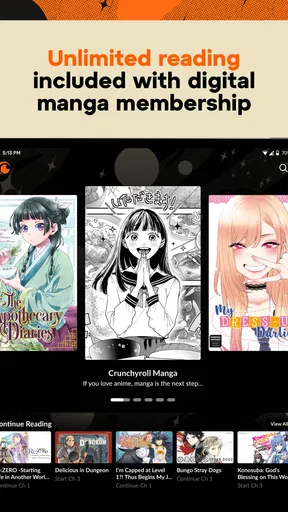
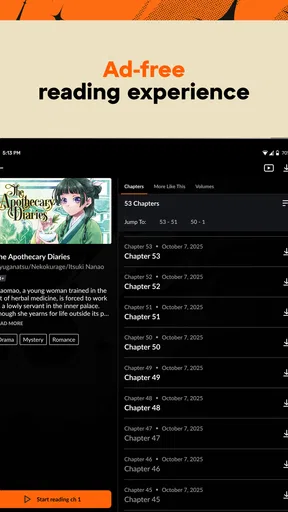
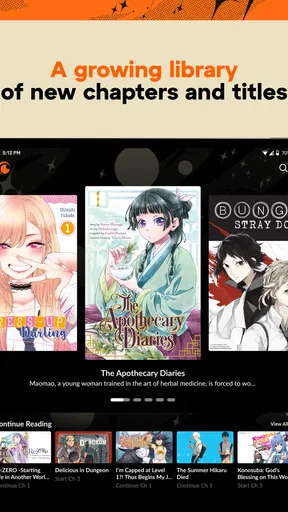
 Analysis by AppCompare
I approached Crunchyroll Manga as a reading app first, not simply as another place to collect comics. It is a free Comics app from Crunchyroll, LLC, aimed at mature readers, and its main appeal is straightforward: it brings manga reading into one dedicated mobile space instead of making you jump between unrelated services. In my daily use, the most important question was not whether it looked exciting at first launch, but whether it made long reading sessions comfortable and easy to resume.
That distinction matters for accessibility. A manga app can have an attractive library and still create friction through small interface controls, awkward page movement, unclear reading progress, or poor support for changing environments. I found Crunchyroll Manga most convincing when I treated it as a focused reading routine: choose a series, settle into the page flow, and return later without rebuilding the experience from scratch. It is less compelling for someone who wants a broad comics marketplace, highly customizable reading tools, or a service built around every possible format.
How the reading experience works for different readers
I focus here on how Crunchyroll Manga’s dedicated reading setup can make it easier to settle into a chapter, while also looking at the practical choices that shape comfort from one session to the next. The key is matching the app to your device, reading habits, and preferred way of handling pages; from there, it becomes clearer which readers are likely to benefit most.
Readability starts with a focused interface
The strongest part of the app is its narrow purpose. Because Crunchyroll Manga is dedicated to comics rather than mixing manga with video, games, social feeds, and unrelated recommendations, the reading task feels easier to understand. I can open it with a specific intention—continue a series, browse for something new, or prepare chapters for a trip—without feeling that the interface is competing for my attention.
For readers who become tired when screens are crowded, this focus is useful. The artwork remains the center of the experience, while the surrounding controls do not need to dominate every moment. That makes the app a sensible choice for someone who prefers a direct path from library to page. It also helps readers who are new to digital manga because there are fewer types of content to learn at once.
Reading clarity still depends heavily on the original page design. Manga often uses small dialogue text, dense panels, unusual lettering, and artwork that loses meaning when enlarged too aggressively. On a phone, I found that the practical approach is to hold the device close enough for dialogue while avoiding constant zooming. On a larger screen, detailed pages are naturally easier to inspect, especially when a panel contains handwritten effects or tightly packed speech bubbles.
This creates an important trade-off: a dedicated manga reader can simplify discovery and continuation, but it cannot make every printed page equally comfortable on every display. Readers with low vision may enjoy the app more on a tablet or larger phone than on a compact handset. If your priority is adjustable text size rather than preserving the original page composition, a text-focused reading platform may suit you better.
Worth Reading Before You Choose

EA SPORTS FC Mobile 26 Is a Bigger Football Game, but It Takes Time

Flipboard Shows What News Apps Must Do Beyond the Feed

Switching to Android Auto Means Rethinking Your Driving Routine

Google Calendar Makes a Crowded Week Easier to Manage

Ludo King Makes the Most of the Minutes Between Plans

Baby Panda World Brings Quick Play to Modern Phones, but Its Game Library Feels Busy
Navigation is most useful when you build a routine
I recommend setting up a simple personal routine instead of browsing aimlessly. Start by choosing one or two series, read a short section, and pay attention to how easily you can return to the same place. This is more revealing than judging the app from its first screen because the real value of a manga service appears during repeated sessions.
For readers with attention difficulties, reducing decisions can make a difference. Keeping a small active reading list prevents the common problem of opening the app, scanning too many covers, and leaving without reading anything. I also found that separating “something I want to read now” from “something I may try later” is helpful when the catalog feels larger than the time available.
The app’s offline reading option is especially relevant here. Downloading chapters before leaving home can remove the pressure to make decisions in a weak-signal environment. It also means a reader can prepare a predictable sequence in advance, which is useful for people who find changing connectivity distracting. I would test the downloads before an important journey rather than assuming that a chapter saved in a hurry will be ready exactly when needed.
There is a small but meaningful accessibility benefit in ad-free reading. Advertisements can interrupt concentration, shift visual focus, and introduce sudden motion or sound in other mobile reading environments. Removing that interruption makes the page-to-page rhythm calmer. It does not solve every readability issue, but it reduces one avoidable source of sensory distraction.
Motor comfort depends on how you hold the device
Long reading sessions can be tiring even when navigation is simple. Holding a phone in one hand, repeatedly tapping small controls, or making frequent gestures may be uncomfortable for readers with limited dexterity, hand pain, tremors, or reduced reach. My practical advice is to treat the app as a two-handed or supported reading experience whenever possible: rest the device on a stand, use both hands when changing pages, and avoid gripping tightly.
A stand also improves consistency for readers who have difficulty maintaining a stable viewing angle. Instead of moving the phone closer and farther away to inspect panels, you can adjust the entire setup once. This is particularly useful for readers who experience fatigue or headaches after prolonged screen use. The improvement comes from the surrounding setup as much as from the app itself.
People who rely on precise touch may prefer slower, deliberate page changes rather than rapid swipes. A hurried gesture can move farther than intended, especially when the page contains detailed art that encourages close inspection. I found that reading in shorter blocks, with a pause between chapters, is more comfortable than trying to finish a long volume in one sitting.
That said, I would not describe the app as a specialized assistive reading tool. Its value is that the reading workflow is uncomplicated, not that it replaces dedicated accessibility software or hardware. Anyone who depends on switch access, extensive gesture remapping, screen magnification workflows, or highly specific motor accommodations should check the experience on their own device before committing to a subscription or purchase.
Sensory considerations are part of the reading decision
Visual comfort varies widely between readers. Manga pages can alternate between quiet white space and highly detailed, high-contrast scenes. Some readers enjoy that intensity, while others may find dense artwork, rapid panel changes, or strong black-and-white contrast tiring. I suggest starting with shorter sessions and adjusting your screen brightness to match the room rather than reading at maximum brightness.
The ad-free format helps keep the visual field stable, which I appreciated during focused reading. An unexpected banner or interruption can be especially difficult for people sensitive to movement or sudden changes. A cleaner reading session also makes it easier to pause intentionally instead of being pulled away by something unrelated.
Offline access can help sensory comfort in another way. When the content is prepared beforehand, you are less likely to wait through loading moments or deal with unstable connections while already concentrating on a page. For someone reading during a commute, in a waiting room, or in a busy household, that predictability can be more valuable than it first sounds.
Still, the app cannot change the visual language of the manga itself. A reader sensitive to intense imagery, mature themes, or emotionally heavy material should select series carefully. The mature audience classification is not just a label to ignore; it is a reminder to consider whether the content fits your own comfort level and the environment in which you plan to read.
Situational access: where the app fits best
My favorite use case is a planned offline reading session. Before a flight, train ride, or place with unreliable reception, I would choose the chapters I expect to finish and download them while connected. This turns the app into a dependable small library rather than a service that requires constant browsing. It is also useful for hospital waiting rooms, shared homes, or workplaces where connectivity and privacy can change from moment to moment.
For commuters, the main advantage is control. A reader can begin a chapter at home, continue during a journey, and avoid wasting mobile data on repeated loading. The limitation is physical: reading on a moving vehicle may be uncomfortable for people prone to motion sickness, particularly when the eyes move across detailed panels. In that situation, audio or stationary reading may be a better alternative, regardless of how convenient the app is.
The app also works well for short breaks. A dedicated manga service makes it easy to read a few pages without setting up a larger entertainment session. I like this for lunch breaks or quiet evenings because the experience feels intentional rather than endless. However, readers who need strict time boundaries should use their own timer or stopping routine; a compelling chapter can make a short break longer than planned.
For shared-device households, the practical question is privacy and organization. A reader should consider whether other people use the same device and whether their reading history or downloaded material could be visible. I would keep the device protected and avoid downloading sensitive material when the phone or tablet is regularly shared. This is not a criticism unique to Crunchyroll Manga; it is simply part of using any personal reading library on a shared screen.
What the subscription model changes
The app is free to install, but in-app purchases range from $13.99 to $179.99 per item. That broad range makes it important to understand your own reading habits before spending. Someone who reads occasionally may prefer to sample the service without treating it as a permanent expense. A frequent reader may find ad-free, unlimited reading and offline access more persuasive, but should still consider whether those benefits matter enough to justify the selected purchase.
I would not decide based only on the word “unlimited.” The better question is how often you will actually read, whether offline chapters are important to you, and whether the available reading experience suits your eyesight and device. If you read one short chapter every few weeks, a conventional individual-volume purchase or another occasional option may be more economical. If manga is part of your daily routine, the convenience of a dedicated subscription-style experience becomes easier to appreciate.
Accessibility can also affect value. A service is not a bargain if you need to read on a device that causes eye strain, or if the page format forces you into uncomfortable gestures. Before paying for a longer-term option, I would test the app during a realistic session: use your usual brightness, hold the device as you normally do, and try reading when your hands are already a little tired. That reveals more than a quick store preview.
The developer, Crunchyroll, LLC, gives the app a familiar name for people already interested in anime and manga, but brand recognition should not replace personal testing. The current version is 1.4.1, and the app requires Android 8.0 or later. That makes device compatibility a straightforward first check, especially for anyone using an older phone or tablet.
Remaining barriers readers should think about
The biggest barrier is the physical page itself. Manga is designed around visual composition, so readers who need large, reflowable text may find that enlarging a page helps only temporarily. Zooming can make dialogue readable while forcing you to move around the image, and that extra movement can become tiring. A reader who depends on text resizing should compare this experience with an ebook reader or another format that separates text from artwork.
Another barrier is the dependence on touch interaction. Even a clean interface can be difficult when a reader has limited precision or cannot comfortably perform repeated swipes. A supported device, stand, stylus, or alternative input method may improve the situation, but the app should not be treated as automatically accessible simply because it is easy for me to operate.
Content suitability is also part of inclusive access. The mature 17+ classification means this is not an app I would hand to a child or recommend for a family tablet without thinking about who can open it. Adults who share devices should be deliberate about their library and reading context. Readers who want children’s comics, educational material, or a broad all-ages environment should look elsewhere.
There is also the question of catalog expectations. I would choose Crunchyroll Manga for its focused reading approach, not on the assumption that it replaces every digital comics service. Readers who want western comics, independent graphic novels, extensive ownership of individual files, or a platform centered on community discussion may be happier with a different category of app. The closer your needs are to “read manga conveniently on a phone or tablet,” the more sense this app makes.
My inclusive verdict after using it
Crunchyroll Manga has a clear strength: it reduces the distance between finding a manga and actually reading it. The focused design, ad-free experience, unlimited reading promise, and offline access create a calm workflow for regular readers. I found it especially practical when I prepared chapters ahead of time, used a supported device, and treated reading as a series of manageable sessions instead of one long screen marathon.
Its accessibility is therefore contextual rather than universal. Readers who benefit from fewer distractions, predictable offline access, and a dedicated manga environment may feel well served. Readers who need reflowable text, extensive input customization, or a child-friendly library should be more cautious. The app can support a comfortable setup, but the final experience depends strongly on the device, the page artwork, the reader’s vision, and their ability to use touch controls.
The app has an average rating of 4.6 from around 2.7 thousand ratings, with over 500 reviews, and it has passed 100 thousand installs. Those figures suggest that the basic reading proposition connects with a meaningful audience, but they do not answer the personal questions that matter most for accessibility. I would use the free entry point to test a normal session before making a larger purchase.
My recommendation is simple: choose it if you want a focused manga reader that works well for planned, distraction-light sessions and you value offline preparation. Skip it if your priority is adjustable text, broad comics ownership, children’s content, or highly specialized access controls. For the right reader, it feels less like a crowded entertainment app and more like a portable shelf of manga. For everyone else, the limitations of visual pages and touch-first reading may outweigh the convenience.
Pros
- Official manga releases from popular Japanese publishers.
- New chapters often arrive shortly after their Japanese release.
- Clean reader interface with adjustable page and reading settings.
- Available on both Android and iOS devices.
- Supports legal access to licensed manga content.
Cons
- The catalog varies significantly by country and region.
- Many titles require a paid Crunchyroll membership to read.
- Some manga may be unavailable outside the United States.
- Limited offline reading options may frustrate frequent travelers.
- The app focuses on manga and lacks broader comic-store features.
FAQs for Crunchyroll Manga
What is Crunchyroll Manga, and what can I read with it?
Crunchyroll Manga is a digital manga-reading service connected to the Crunchyroll entertainment platform. It offers access to a selection of Japanese comics, including popular series and titles released close to their Japanese publication dates. The available catalog can vary by country, licensing agreements, and subscription status, so users should check the in-app library before downloading or subscribing. Manga is generally read chapter by chapter in a mobile-friendly viewer.
Do I need a Crunchyroll subscription to read manga?
Access requirements depend on the title, region, and current Crunchyroll service policies. Some manga content may be available to eligible subscribers, while other chapters or features could require a premium membership. Creating an account may also be necessary to synchronize access and reading progress. Before paying, review the subscription details shown in the app, including the trial terms, renewal price, and whether manga access is included in your specific plan.
Is Crunchyroll Manga available on both Android and iPhone?
Crunchyroll Manga has been offered through mobile applications and services designed for supported Android and iOS devices, but availability and functionality may change over time. Compatibility can depend on your operating system version, location, and the app version installed. If the manga section is not visible after installation, it may be unavailable in your country or integrated differently into the main Crunchyroll application. Always use the official Google Play Store or Apple App Store.
Can I download manga chapters for offline reading?
Offline reading depends on the current version of the Crunchyroll app, the title, your subscription, and regional licensing restrictions. Not every chapter or series is necessarily downloadable, and downloaded content may remain available only while your account and subscription meet the required conditions. If offline access is important to you, open a title’s reading options and look for a download feature before subscribing. A stable internet connection is still recommended for initial synchronization and updates.
What should I know about regional restrictions and manga availability?
Manga licensing is often handled separately for different countries, so the catalog shown in Crunchyroll Manga may differ significantly depending on where you live. A series available in one region may be missing, delayed, or limited in another because of publishing rights. Release schedules can also vary, and some content may be offered only in certain languages. Check the catalog and chapter availability in your own region rather than relying on screenshots or reviews from another country.


